March 2021 New Titles
Please find below links to download a PDF and Excel spreadsheet showing all titles publishing in March from the UPG presses. There is also a link to the collection on Edelweiss.
Look at the back label of a bottle of wine and you may well see a reference to its terroir, the total local environment of the vineyard that grew the grapes, from its soil to the climate. Winemakers universally accept that where a grape is grown influences its chemistry, which in turn changes the flavor of the wine. A detailed system has codified the idea that place matters to wine. So why don’t we feel the same way about whiskey?
This lavishly illustrated photographic guide provides a comprehensive overview of the natural history of wildlife habitats in Britain and Ireland. Now completely redesigned in a handy field-guide format, and featuring revised and updated text throughout, this new edition of Britain’s Habitats guides readers through all the main habitat types, presenting information on their characteristics, extent, geographical variation, key species, cultural importance, origins and conservation.
The United States has been fighting wars constantly since invading Afghanistan in 2001. This nonstop warfare is far less exceptional than it might seem: the United States has been at war or has invaded other countries almost every year since independence. In The United States of War, David Vine traces this pattern of bloody conflict from Columbus’s 1494 arrival in Guantanamo Bay through the 250-year expansion of a global US empire. Drawing on historical and firsthand anthropological research in fourteen countries and territories, The United States of War demonstrates how US leaders across generations have locked the United States in a self-perpetuating system of permanent war by constructing the world’s largest-ever collection of foreign military bases—a global matrix that has made offensive interventionist wars more likely. Beyond exposing the profit-making desires, political interests, racism, and toxic masculinity underlying the country’s relationship to war and empire, The United States of War shows how the long history of U.S. military expansion shapes our daily lives, from today’s multi-trillion–dollar wars to the pervasiveness of violence and militarism in everyday U.S. life. The book concludes by confronting the catastrophic toll of American wars—which have left millions dead, wounded, and displaced—while offering proposals for how we can end the fighting.
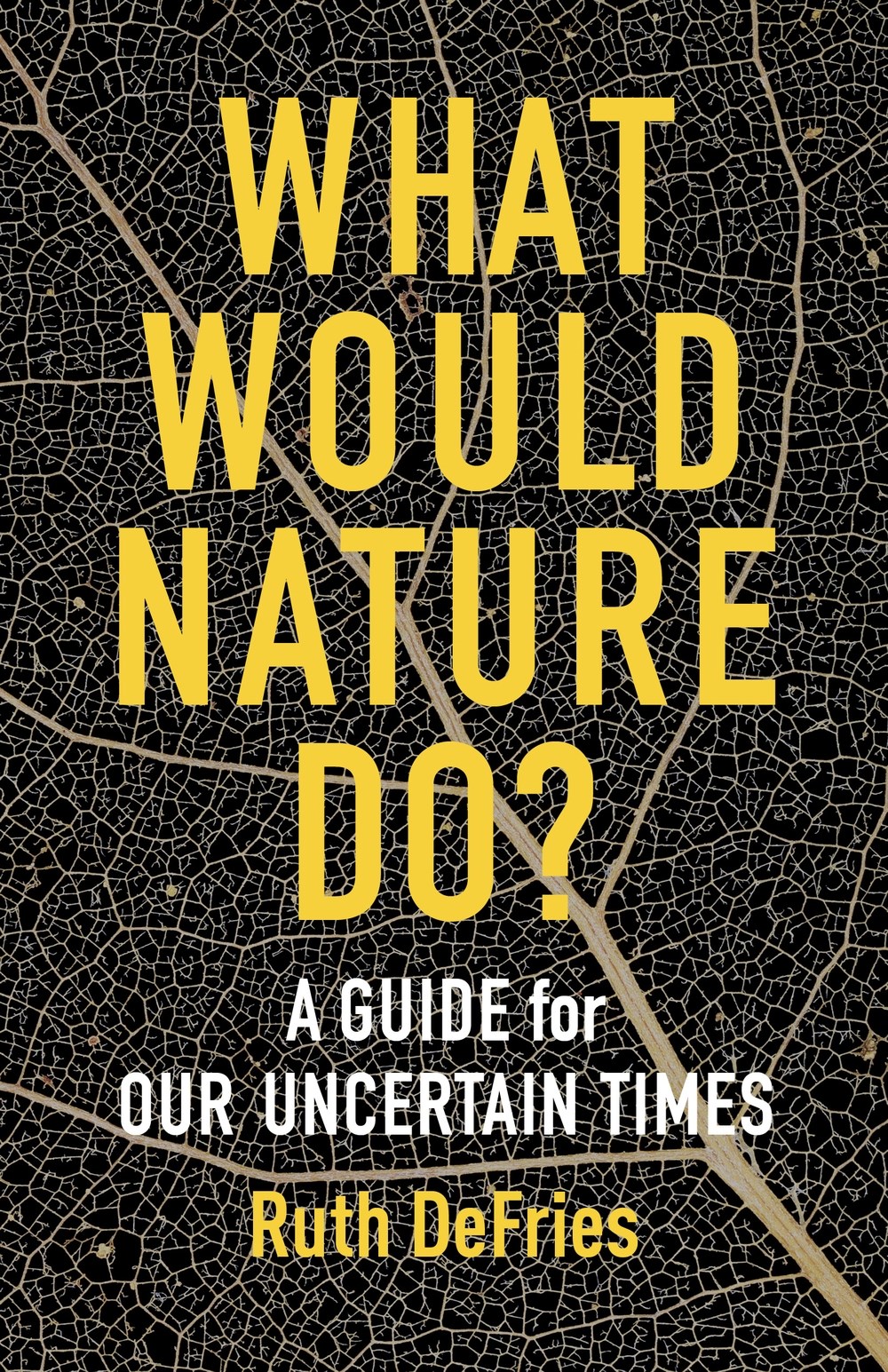
Exploring the lessons that life on Earth can teach us about coping with complexity, What Would Nature Do? offers timely options for civilization to reorganize for a safe and prosperous future.
Mutiny tore like wildfire through the wooden warships of the age of revolution. While commoners across Europe laid siege to the nobility and enslaved workers put the torch to plantation islands, out on the oceans, naval seamen by the tens of thousands turned their guns on the quarterdeck and overthrew the absolute rule of captains. By the early 1800s, anywhere between one-third and one-half of all naval seamen serving in the North Atlantic had participated in at least one mutiny, many of them in several, and some even on ships in different navies. In The Bloody Flag, historian Niklas Frykman explores in vivid prose how a decade of violent conflict onboard gave birth to a distinct form of radical politics that brought together the egalitarian culture of North Atlantic maritime communities with the revolutionary era’s constitutional republicanism. The attempt to build a radical maritime republic failed, but the red flag that flew from the masts of mutinous ships survived to become the most enduring global symbol of class struggle, economic justice, and republican liberty to this day.
https://cup.columbia.edu/book/friend/9780231195614
A best-seller in North Korea, where Paek continues to live and write, Friend illuminates a side of life in the DPRK that Western readers have never before encountered. Far from being a propagandistic screed in praise of the Great Leader, Friend describes the lives of people who struggle with everyday problems such as marital woes and workplace conflicts. Instead of socialist-realist stock figures, Paek depicts complex characters who wrestle with universal questions of individual identity, the split between public and private selves, the unpredictability of existence, and the never-ending labor of maintaining a relationship. This groundbreaking translation of one of North Korea’s most popular writers offers English-language readers a page-turner full of psychological tension as well as a revealing portrait of a society that is typically seen as closed to the outside world.